At a glance
A poorly controlled secondary door, an out-of-service camera, outdated instructions... The most dangerous safety flaws are not always the most visible. And often, companies only discover them after an incident.
Imagine an office building in Dakar.
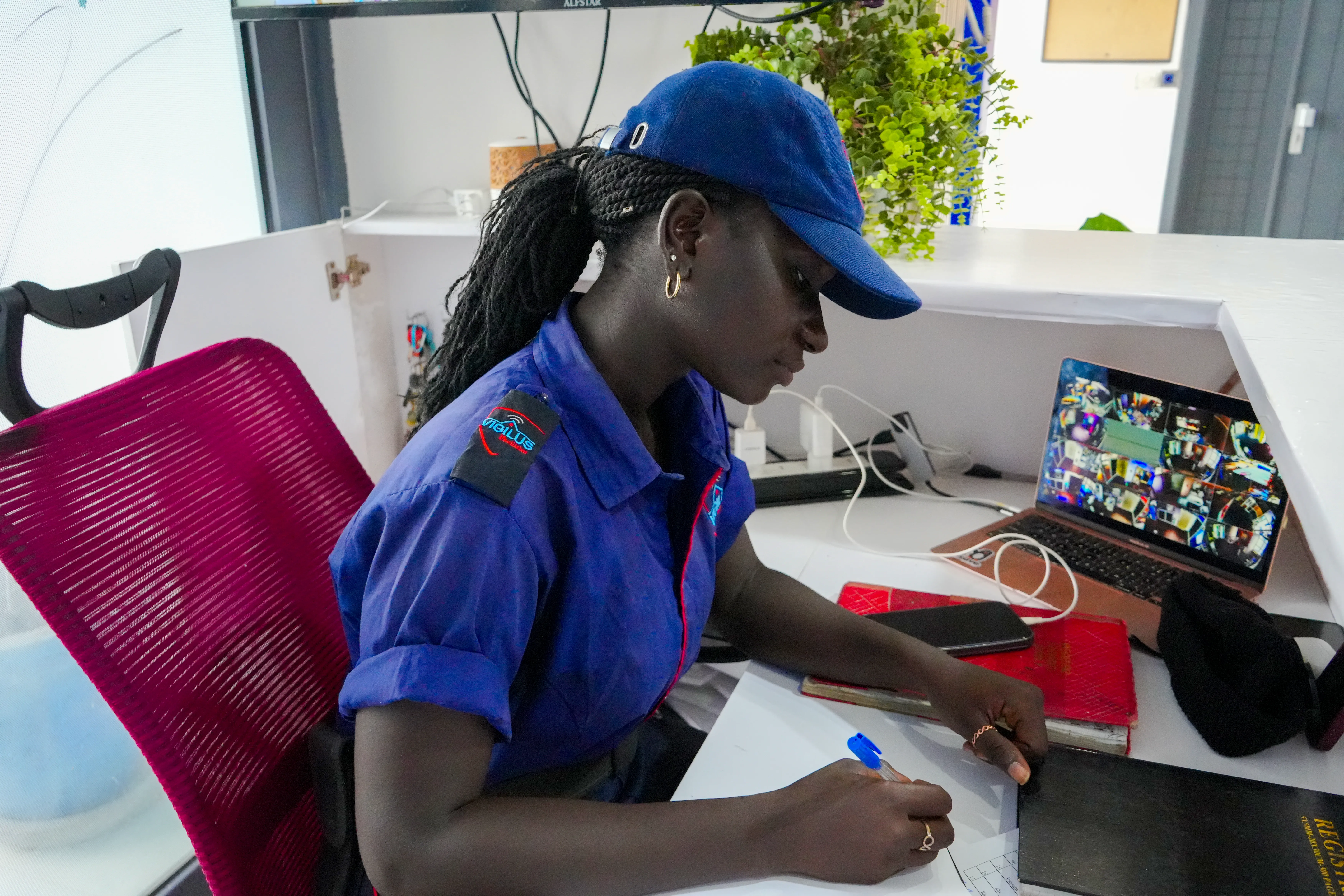
At the main entrance, a security officer monitors visitors. Cameras monitor corridors and parking lots. Employees have badges of x27; access.
Everything seems under control.
However, a door reserved for deliveries remains open regularly. Providers travel without support in certain areas. A camera hasn't worked for several weeks.
No incidents have yet been reported. But how long can these vulnerabilities remain without consequences?
In companies, hotels, warehouses and industrial sites in Senegal, security depends not only on the means installed. It is also based on the organization, vigilance and ability to identify risks before they occur. They don't materialize.
Here are five common flaws that deserve the attention of site managers and managers.
1. Secondary accesses: these doors that nobody really monitors
The main entrance to a business is generally well supervised. But what about staff parking, technical access, delivery areas or doors used by subcontractors?
These passages, often considered secondary, can become vulnerabilities.
A deliverer who enters without verification, a former employee whose badge still works or a door left open for convenience may be sufficient to compromise the safety of a building.
###
How can we avoid this flaw?
It is essential to identify all points of x27; access, define authorisations according to profiles and regularly verify their application.
The implementation of appropriate access control and electronic security solutions allows for, among other things, better control of inputs and outputs, limitation of unauthorized access and enhanced traceability of movements.
Remember: a building is not secure only because its main entrance is monitored.
2. Safety instructions that no longer correspond to reality
Companies are constantly changing: new offices, reorganisation of spaces, changes in schedules, arrival of service providers or increase in staff.
But safety features do not always follow these changes.
A round defined two years ago may no longer cover certain sensitive areas. An officer may not know that a local is now hosting important equipment. An intervention procedure may refer to an official who left the company.
The danger then lies in a gap between the security provided on paper and that actually applied on the ground.
###
How can we avoid this flaw?
The instructions must be re-evaluated for each major change in site organization.
This involves updating the rounds, responsibilities, emergency contacts and control procedures.
A professional monitoring and guarding system must integrate this adaptability with regular officer supervision and effective mission oversight.
A good security procedure is a known, applied and regularly updated procedure.
3. Equipment installed but insufficiently maintained
A surveillance camera may remain out of service for several weeks without anyone seeing it.
An alarm can be installed for years without having been tested recently.
A fire extinguisher can become difficult to access because equipment has been stored in front of it. An emergency exit can be packed with cardboard.
These situations have one thing in common: equipment exists, but their actual availability is no longer guaranteed.
However, a safety device that does not work at the time when it is needed can give a false impression of protection.
###
How can we avoid this flaw?
Companies must arrange periodic inspections, maintain a record of anomalies, and ensure that corrective action is actually taken.
For fire protection facilities, it is particularly important to provide for the inspection and maintenance of fire safety equipment by competent stakeholders.
Technical teams, HSE managers and safety officials must share information on identified failures.
To remember: installing equipment is a first step. Checking it regularly is another, just as important.
4. Lack of coordination between different providers
This is probably one of the most discreet flaws in the day-to-day management of professional buildings.
Let's take an example.
A cleaning company intervenes early in the morning. A maintenance technician must access a technical room. A delivery man arrives with equipment. The security team did not receive any information on these interventions.
Each claimant accomplishes his/her mission, but no one has a complete view of what is happening on the site.
Who allows access? Who accompanies stakeholders in sensitive areas? Who checks that the premises were properly closed after an intervention?
The problem does not necessarily come from the providers themselves, but from the lack of coordination between their activities.
###
How can we avoid this flaw?
Effective organisation requires shared planning, clear responsibilities and common reporting procedures.
This is precisely the issue of service provider piloting in Facility Management: coordinating interventions, monitoring the quality of services and ensuring a reliable flow of information.
This approach is particularly important for office buildings, hotel establishments, banks and industrial sites that involve several trades on a daily basis.
It should be noted that when several providers intervene on the same site, coordination itself becomes a component of security.
5. Incidents detected, but no procedure for actually controlled intervention
It's 11:00.
An alarm is triggered on the premises of a company.
The Security Officer identifies the alert and attempts to contact the person in charge. This one is unavailable. Replacement contact has not been updated.
Meanwhile, no one knows exactly what decision to make.
This is a major weakness: detecting an incident is not enough if the organization is not prepared to respond.
###
How can we avoid this flaw?
Each company should have a clear chain of alert, specifying who should be contacted, the levels of responsibility and the means of intervention that can be mobilised.
These procedures must be known to the teams and regularly tested.
A security audit includes examining the vulnerabilities of a site, assessing existing devices, and identifying priority improvements.
The objective is not only to react quickly, but to make the right decisions to protect people and limit the impact on activity.
The quality of a safety device is also measured by its ability to react to the unexpected.
Is your company concerned? Do the test
Before investing in new equipment or strengthening your workforce, ask yourself five questions:
- Are all the accesses of our building really controlled, including those used by visitors, delivery agents and subcontractors?
- Are our security instructions up to date and adapted to the current organization of our premises?
- When was the last time we checked our alarms, cameras and protective equipment?
- Do our different providers communicate effectively with site managers and security teams?
- If an incident occurs that night, do we know exactly who is involved, how and according to what procedure?
These questions may seem simple. However, they reveal malfunctions that easily go unnoticed in the daily operation of a company.
An operational diagnosis, combined with a structured audit and management of the site, can help clarify responsibilities and better coordinate different services.
Security must not wait for the first incident
A security flaw is not always spectacular.
This is sometimes a habit that has become normal. A door that doesn't close anymore. An anomaly that nobody reports. A procedure that the teams no longer know.
And this is precisely what makes these vulnerabilities dangerous: they can remain invisible for months, until an incident reveals their consequences.
The best security strategy is not the one that multiplies the means, but the one that identifies the risks, coordinates the teams and regularly checks the effectiveness of the devices.
Within the Vigilus Group, this approach is based on the complementarity of expertise.
Vigilus Facilities supports companies in the management and coordination of their work environments, while Vigilus Safety provides expertise in human monitoring, safety engineering, electronic security and risk prevention.
Because protecting a company is not just about monitoring its buildings.
It also protects employees, preserves equipment and ensures continuity of operations.
Would you like to assess your company's vulnerabilities in Dakar or elsewhere in Senegal?
Contact Vigilus Security teams for a study tailored to your site.