At a glance
At 3 a.m., the offices are empty. An intrusion alarm is triggered. The system detected something. But detecting an event and protecting the premises are two different things.
Imagine a warehouse in the Dakar region. A detector reports movement in an area that should be unoccupied. The siren is ringing. The head of the site sleeps, the teams left the premises and the first deliveries are only expected several hours later.
At this point, the question is no longer whether the alarm works. The real question is who gets the information and what do we do next?
1. Detection: a signal, not yet a diagnosis
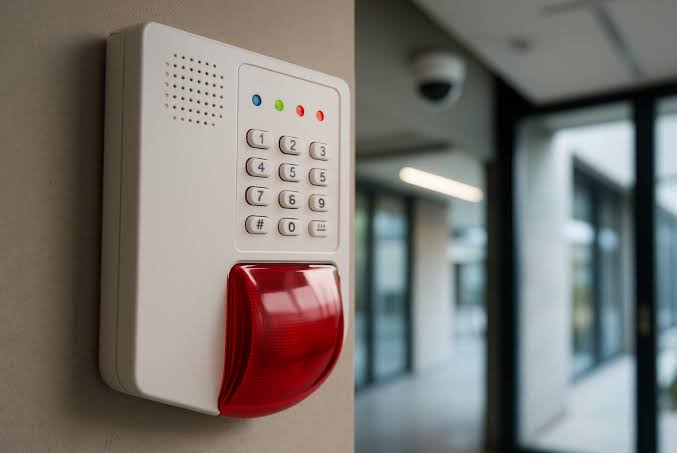
An anti-intrusion system can detect an opening, movement or event when installed. Depending on the device, it sends a local alert or to a supervisory centre.
But any alarm does not necessarily mean an intrusion. A technical anomaly, involuntary manipulation or external event may also be the cause. Two errors must therefore be avoided: ignore the alert or trigger an inappropriate response without verification.
2. Transmission: who is notified at 3 a.m.?
A mermaid alone can attract close attention. It does not guarantee that an authorized person will receive the information and may act.
In a 24-hour remote surveillance device, the event can be transmitted to operators responsible for reviewing it according to a protocol with the company. For this step to be reliable, transmission, power supply and emergency contacts must be checked regularly.
3. The question raised: understand before deciding
The question is raised by gathering the information available to qualify the event: area concerned, alarm history, exchanges with authorized persons or video surveillance images if the system permits.
It is not about ensuring that a camera will see everything and asking an agent to take an unnecessary risk. The objective is to distinguish situations that require urgent action from those that involve a technical incident or additional verification.
4. Intervention: a prepared answer, not improvised
If the criteria are met, a team can be mobilised as part of the alarm response. Its mission depends on the authorizations, the means available and the security conditions: external verification, observation, first security measures and information to the appropriate interlocutors.
In the event of a manifest danger or a situation falling within the competence of the authorities, the competent services must be requested. No universal deadline for arrival can be promised without regard to the site, its location and contract.
5. Traceability: what will the leader know when he wakes up?
A good answer does not end when the alarm stops. It must leave usable elements: reception time, nature of the event, decisions taken, stakeholders mobilized, findings and follow-up.
This is the role of a structured chain of supervision, such as the Vigilus Security Operations Centre (COS 24/7), which coordinates alerts, qualification, mobilization and operational follow-up according to the established system.
Three issues to be resolved before the next night
- Who gets the alarm if the usual person in charge is unreachable?
- Who is allowed to request an intervention and how does the team access the site?
- How is the event documented, then followed if a technical anomaly is discovered?
These responses should be included in the instructions and periodically tested. Coordination with maintenance staff, maintenance and other stakeholders is also the responsibility of piloting site providers.
A useful alarm is an alarm that triggers the right action
At 3 a.m., a company does not only need a sound signal. It needs a clear decision-making chain, capable of qualifying an event, mobilizing the right relays and reporting.
Within the Vigilus Group, Vigilus Sécurité combines equipment, remote surveillance and intervention as required, while Vigilus Facilities contributes to the coordination of operations at professional sites.
Has your alarm protocol ever been tested outside of office hours? Have your security device reviewed.