At a glance
In hospitality, the best maintenance is often the work guests never notice. Service planning must follow occupancy, flows and critical assets.
Hotels cannot be maintained like ordinary offices
Hospitality combines extended hours, occupied spaces, highly visible service quality and heavily used comfort systems.
1. Map zones and sensitivity
Guest rooms, reception, restaurants, public areas and back-of-house spaces require different intervention windows.
2. Prioritise HVAC and plumbing
Dakar conditions make HVAC preventive maintenance particularly important. Plumbing failures can also make guest areas unavailable.
3. Align cleaning with occupancy
Cleaning frequencies should respond to actual flows rather than a rigid schedule.
4. Plan discreet interventions
Planifiable work should be grouped into low-impact windows with clear rules on noise, circulation and reinstatement.
5. Create a clear escalation chain
Reception, housekeeping, security and maintenance detect different issues. Integrated FM routes each one to the right team.
6. Identify repeat failures
Recurring faults should trigger reliability or replacement decisions, not endless corrective work.
7. Keep reporting useful
Track preventive completion, critical incidents, repeat failures, cleaning checks and outstanding actions.
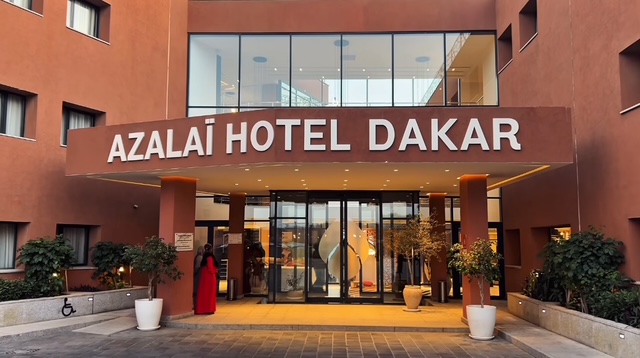
Vigilus references include Azalaï Hôtel and Novotel; no specific contract scope is attributed by this statement.