
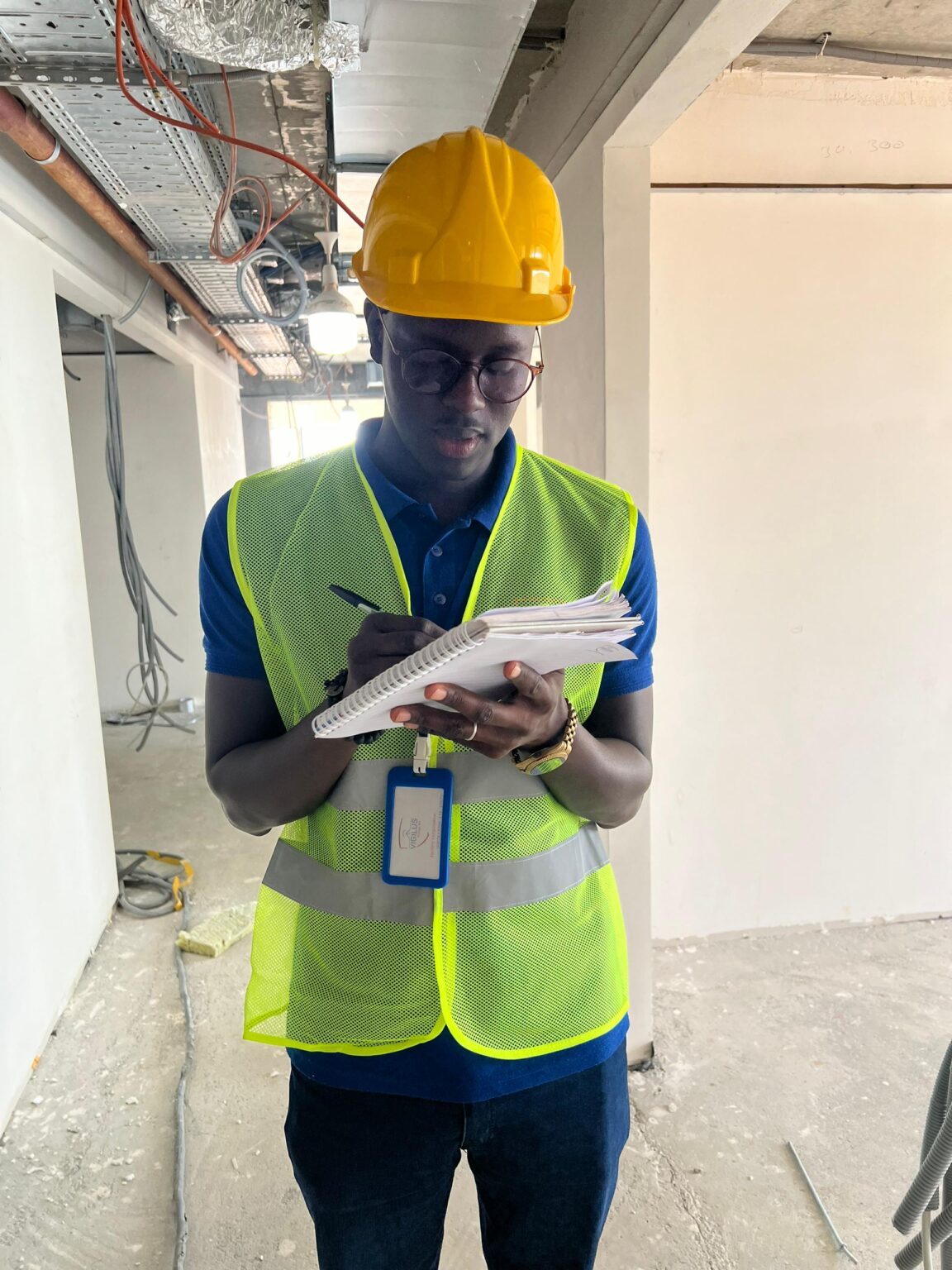
Construction sites in Senegal are high-risk environments, accounting for nearly 15% of workplace accidents. Given the boom in real estate and infrastructure projects, worker protection is crucial and requires strict adherence to regulations and the implementation of preventative measures.
Construction sites represent particularly high-risk environments in terms of occupational safety. According to a recent study, nearly 15% of reported workplace accidents in Senegal occur in the construction sector. Ensuring the protection of workers must therefore be an absolute priority, especially since Senegal is experiencing significant growth in real estate and infrastructure projects. Strict compliance with regulations and the implementation of preventive measures are crucial.
Training and Awareness
In Senegal, the Labor Code (Law No. 97-17 of December 1, 1997) states in its Article 171 that "the employer is required to organize practical and appropriate training in occupational safety and health" for all workers. This includes comprehensive initial training as well as regular refresher sessions on identifying specific risks related to the workstation and the prevention procedures to be applied. Decree No. 2006-1256 of November 15, 2006 specifies the modalities for this mandatory training.
Beyond the legal framework, it is essential to encourage a genuine safety culture where everyone involved, from the worker to the site manager, is a responsible and vigilant actor. Daily briefings help maintain a high level of awareness.
Personal Protective Equipment (PPE)
The wearing of personal protective equipment adapted to the risks of each workstation is made mandatory by Law No. 2006-16 of August 4, 2006, enacting the Labor Code in Senegal. This includes at a minimum on construction sites:
-
A hard hat protecting against falling objects
-
Safety shoes with puncture-resistant soles
-
Protective gloves against cuts, chemicals, or impacts
-
Protective goggles against projections
-
A safety harness for any work at height (scaffolding, roofs, etc.)
This PPE must be approved, maintained in good condition, and worn properly throughout the duration of the risky activity in accordance with Ministerial Order No. 4439 of May 24, 1996. Refusal to wear the PPE provided by the employer constitutes serious misconduct that may lead to disciplinary sanctions according to Article 153 of the Labor Code.
Signage and Delimitation of Risk Zones
Senegalese regulations require clear and standardized signage on construction sites by Interministerial Order No. 2987 of February 19, 2003. This includes:
-
Easily visible temporary signage indicating specific risks (falls, work in progress, vehicle traffic, etc.)
-
Marking using cones, tapes, and barriers to clearly delimit dangerous areas such as excavations or risks of falls from height
-
Strict access control with prohibition for unauthorized personnel to enter the most hazardous zones
These measures effectively alert workers and channel traffic to prevent accidents.
Management of Materials, Waste, and Rubble
The Labor Code and its implementing decrees emphasize the need for adequate storage of materials and waste on construction sites to prevent falling objects and collapses. A traffic plan and well-defined storage areas for materials and rubble must be established.
Procedures for handling, storing, and evacuating materials and waste must comply with the instructions of Article 193 aimed at "reducing risks to a minimum." The use of suitable equipment such as forklifts, cranes, and hoists is mandatory for handling according to Decree No. 2006-1257. Work and traffic areas must remain clean, clear, and properly lit at all times to limit the risk of trips or falling objects.
Work Permits and Procedures
For particularly dangerous work, such as interventions at height, in confined spaces, or involving heat sources/hazardous energies, Senegalese regulations provide for a "work permit" system. This brings together all the preliminary checks and specific safety procedures to be respected before authorizing the start of operations.
Order No. 9832 of October 22, 2008 defines the conditions for obtaining these permits, which may cover staff training, necessary protective equipment, risk containment measures, or emergency evacuation procedures. Comprehensive checklists validated by a safety officer are mandatory.
Emergency Interventions
Despite all precautions, a serious accident remains possible on a construction site. Preparing for this type of situation is therefore essential. Article 191 of the Labor Code stipulates that "the employer is required to take all appropriate measures to ensure the rapid evacuation of workers in case of serious and imminent danger."
This involves defining a clear emergency and evacuation plan, tested regularly, including emergency service numbers, the location of emergency exits, fire extinguishers, and first aid kits. A portion of the staff must also receive training in first aid procedures in accordance with Decree No. 2006-1258.
Role of Occupational Medicine
Finally, Law No. 2006-16 provides for the mandatory establishment of occupational health services responsible for the medical monitoring of employees, as well as monitoring and advising on hygiene and safety on construction sites. Occupational health physicians conduct regular visits to verify compliance with standards and may issue recommendations that companies must follow.
By scrupulously respecting this strict regulatory framework, by training and empowering teams, and by developing a strong prevention culture, it is possible to significantly reduce risks on construction sites in Senegal. Negligence in this area can have serious human and financial consequences for companies. Safety must remain the absolute priority.
Responsibilities of the Different Stakeholders
Beyond the legal framework, ensuring a high level of safety on a construction site requires the coordinated involvement of all stakeholders, each having a specific role and responsibilities.
-
The Project Owner (Client), as the party ordering the work, must choose competent companies with the technical, human, and financial capabilities to carry out the site safely. They must also appoint a safety coordinator from the project design phase to identify risks and define an execution plan integrating preventive measures.
-
The Main Contractor, responsible for the proper execution of the work, appoints a site manager who will supervise the implementation of the established safety plan. They coordinate prevention actions, ensure staff training, manage signage, provide PPE, and monitor its effective use.
-
Each Subcontracting Company intervening on the site remains responsible for the safety of its own employees. They must strictly apply the execution plan, carry out their specific risk analyses, and train their teams accordingly.
-
Finally, a major role falls to the Workers themselves, who must adopt cautious and responsible behavior by strictly following procedures, wearing the required PPE, and reporting any potential danger to their supervisors.
Penalties Incurred
In case of failure to comply with safety obligations, the Senegalese Labor Code provides for severe penalties against employers and workers:
-
Fines of up to 1 million CFA francs for violation of safety rules (Art. 279)
-
Prison sentences of 3 months to 2 years for deliberate endangerment (Art. 280)
-
Criminal liability in case of serious or fatal accident (Art. 282)
-
Temporary or definitive closure of the site (Art. 291)
Furthermore, prevention bodies such as the Labor Inspectorate and the Social Security Fund can issue formal notices, apply contribution surcharges, or even financial penalties.
The human, legal, and financial costs of an accident are therefore extremely heavy. Investing in safety from the project design phase is an ethical as well as an economic imperative for Senegalese construction companies.